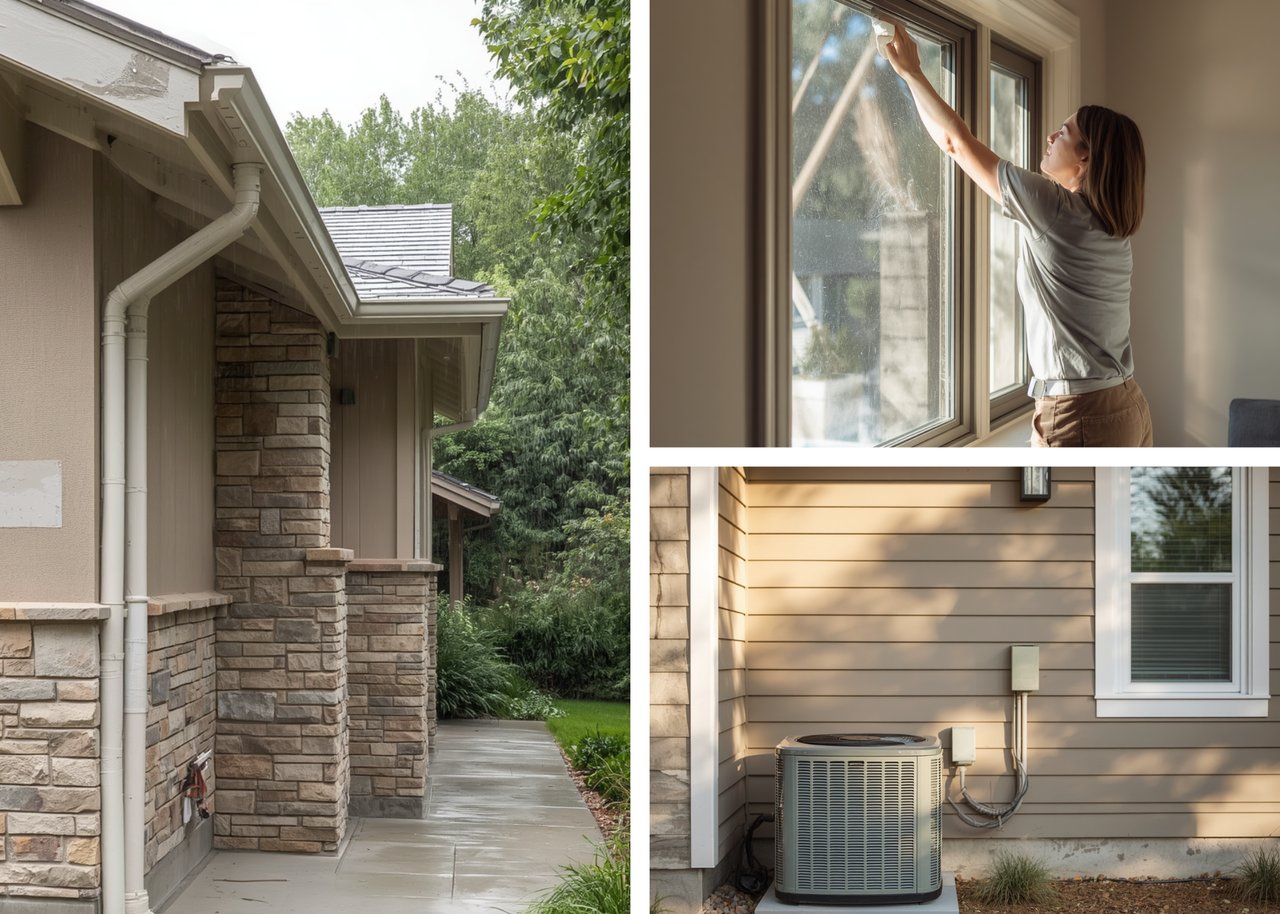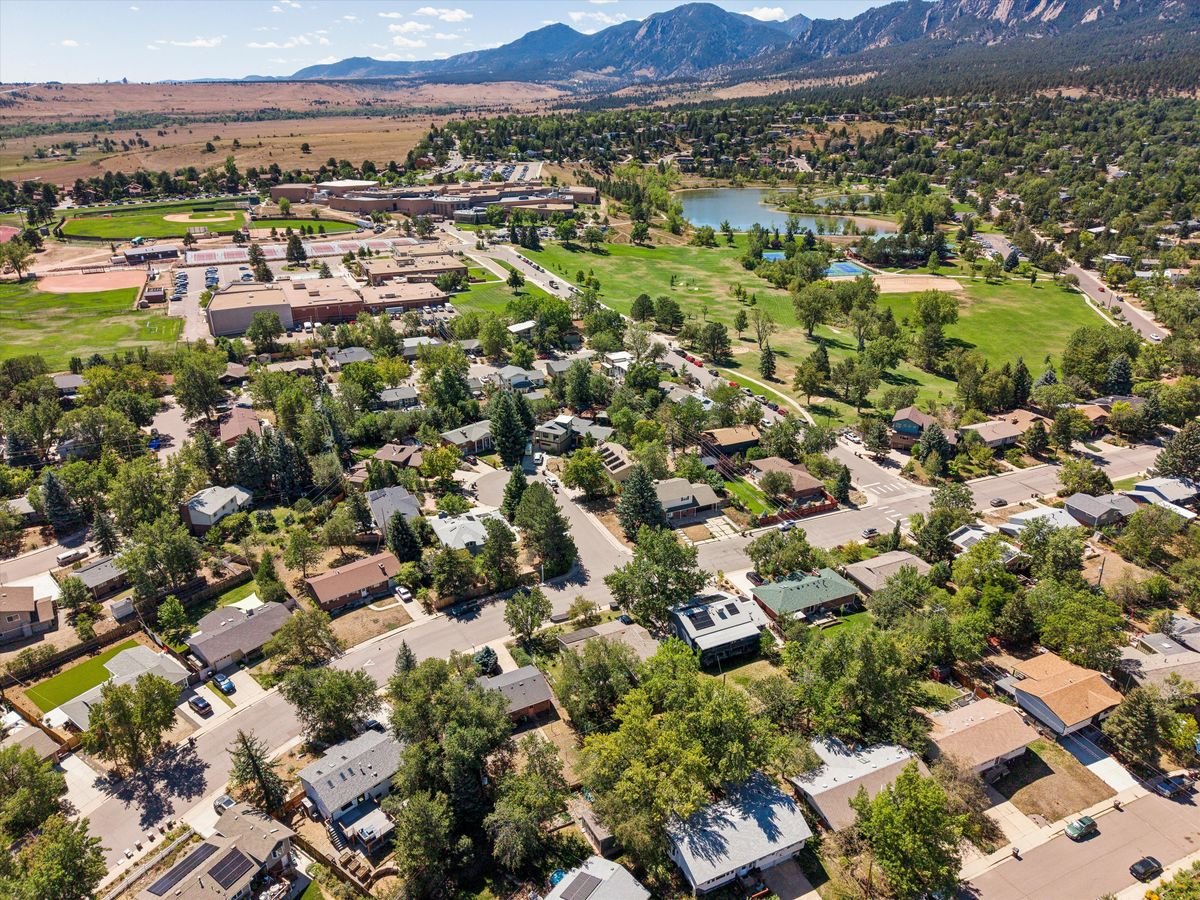
Most of the homes in South Table Mesa and Mountain Terrace were built between the 1960s and early '70s, and that's a big part of what makes these neighborhoods appealing: established streets, mature landscaping, easy access to South Boulder amenities, open space nearby, and the kind of long-term value that only comes with time.
It also raises a practical question for many homeowners: should you update?
The honest answer depends on your goals, your timeline, the home's condition, and whether you're improving it for your own life, for resale, or both.
I recently brought a South Table Mesa property to market that hadn't been substantially updated, and it was a good illustration of how buyers evaluate homes in this area. Location alone doesn't decide it for them. They're weighing condition, layout, systems, renovation potential, the cost of getting it where they want it, and how it stacks up against everything else they're looking at that week.
When a buyer walks into a home that needs real work, they start doing math: what needs to be repaired, replaced, modernized, or redesigned. The more work they perceive, the more that shapes how they value the home.
That doesn't mean a major renovation is automatically the right move for sellers. Often it isn't. The better question is usually narrower: what work, if any, makes sense before you make a bigger decision?
If You Plan to Stay
If you're staying put, updates should start with how you actually want to live in the house. A kitchen remodel, a bathroom refresh, better lighting, new windows, more storage, a finished basement, an outdoor living space, an energy-efficiency upgrade. Any of these can be worth it simply because they improve your day-to-day life.
That return isn't only financial. It's comfort. It's function. It's enjoying the house more than you did before.
Still, it's worth knowing which of these improvements also tend to hold up in terms of long-term value, and which are mostly personal preference. Neither is wrong, but the distinction is worth understanding before you spend real money.
If You May Sell in the Next Few Years
If a sale is possible in the next few years, renovation decisions deserve more strategy. A large remodel is expensive, disruptive, and slow, and it can lock in design choices a future buyer won't necessarily value the way you do.
In this situation, selective preparation usually beats full renovation.
Think fresh interior paint, updated lighting, minor repairs, floor refinishing, landscape cleanup, a deep clean, better curb appeal, updated hardware, and taking care of the obvious maintenance items. These changes make a home feel cleaner, brighter, and better cared for without asking the seller to take on a major project.
The goal isn't perfection. It's removing the distractions that keep buyers from seeing the property clearly.
If the Home Needs Significant Work
For homes that need more extensive updating, owners typically have three paths available.
Sell mostly as-is and price it to reflect the work ahead. Make selective improvements to help the home show better and ease buyer hesitation. Or complete a larger renovation before listing.
Each can be the right call, depending on the situation.
Selling as-is tends to make sense when the work is extensive, when the seller doesn't want to manage a construction project, or when the likely buyer wants to renovate or expand on their own terms anyway. Selective improvements make sense when modest changes could meaningfully change how the home shows. A larger renovation only makes sense when the cost, timeline, and likely market response support that investment.
Before spending significant money, it's worth understanding how buyers will actually view the improvement, not just how you'd like them to.
What Buyers Are Evaluating
In South Table Mesa and Mountain Terrace, buyers value the location, the schools, open space access, the views, the lot potential, and the neighborhood's established feel. But condition still matters, and it matters a lot.
They're sizing up whether a home is move-in ready, lightly dated, or a full project. They're looking at the age and quality of the major systems, whether the layout actually works, the state of the kitchen and baths, the basement, the outdoor space, the windows, the flooring, the lighting, and how well the whole place has been maintained.
And they're thinking about cost the entire time. If a buyer believes a home needs a few hundred thousand dollars in work, that belief shapes how they see the asking price and what they're willing to offer, whether or not it's accurate.
None of this makes an unupdated home undesirable. It just means the pricing and the presentation need to match the reality of the property.
Why Local Context Matters
A broad market report can't tell you whether a specific update is worth doing for your specific house. That answer depends on the home, the street, the lot, the condition, the floorplan, who else is competing for the same buyers right now, and who that buyer pool actually is.
Two homes on the same street can sit in very different market positions. A fully updated home may command a premium. An original, untouched home may appeal most to a buyer who wants to put their own stamp on it. A well-maintained but dated home often benefits most from selective preparation rather than either extreme.
Knowing which category your home falls into is how you avoid over-improving, under-preparing, or spending money in the wrong places entirely.
Questions to Ask Before Updating
Before starting a major project, it's worth sitting with a few questions:
Am I updating for myself, for a future buyer, or both?
How long do I realistically plan to stay?
Is this update about comfort, maintenance, resale, or function?
Would this improvement appeal broadly to buyers, or mostly to me?
Could a smaller improvement accomplish the same goal?
Does this update make sense for my home, my neighborhood, and my price point?
What are buyers likely to notice first?
What should I address now, and what might be smarter to leave for the next owner?
These aren't formalities. They're usually enough to tell you whether an update is worth doing, and how much to put into it.
The Bottom Line
Before you update, it helps to know what matters.
For some South Table Mesa and Mountain Terrace homeowners, the right move is to stay put and improve the home around the way they actually want to live. For others, it's smarter to make small, strategic updates ahead of a future sale. In some cases, selling as-is is genuinely the most practical option.
No single answer fits every home.
The South Table Mesa Homeowner Intelligence Series helps homeowners think through decisions like these with better local context, because value isn't just square footage or an online estimate. It's shaped by condition, timing, buyer expectations, presentation, and the specific market around your particular home.
If you're weighing updates, planning ahead, or just wondering what your home might need before a future sale, I'm happy to help you think it through.
Sources and helpful references: Boulder County Assessor property valuation process, Boulder County residential comparable sales resources, National Association of REALTORS Remodeling Impact Report, and Journal of Light Construction Cost vs. Value Report.