Stuck between a Denver condo and a townhome for your next move? You are not alone. Both can be smart, lower‑maintenance paths into great neighborhoods, but the day‑to‑day costs and rules are not the same. In this guide, you will learn what you actually own, how HOAs and insurance work, what lenders look for, and how Denver’s rules and market trends can shape your decision. Let’s dive in.
Condo vs townhome: what you own
A condo typically means you own the interior of your unit plus a shared interest in the building and common areas. The association owns and maintains most shared elements. That is the big idea behind a condominium regime. For a quick framing, consumer guides describe a condo as unit ownership with shared building ownership, while a townhome is a multi‑level attached home that may convey with fee simple ownership of your unit and lot. See this overview of form and ownership differences in a townhome guide from EYA.
In Colorado, the Colorado Common Interest Ownership Act (CCIOA) is the legal baseline for condos and planned communities. The Act explains who maintains what and gives HOAs tools to enforce covenants and collect dues. It also grants HOAs a statutory lien for unpaid assessments. You can read the statute in Colorado Revised Statutes Title 38, Article 33.3 on the state’s site for CCIOA.
Here is the practical twist. “Townhome” describes the building style. The legal regime could still be a condo association or a planned unit development (PUD). Two side‑by‑side townhomes can have very different owner responsibilities and financing outcomes. Always verify the declaration and CC&Rs before you assume who pays for a roof or a driveway.
Who handles maintenance
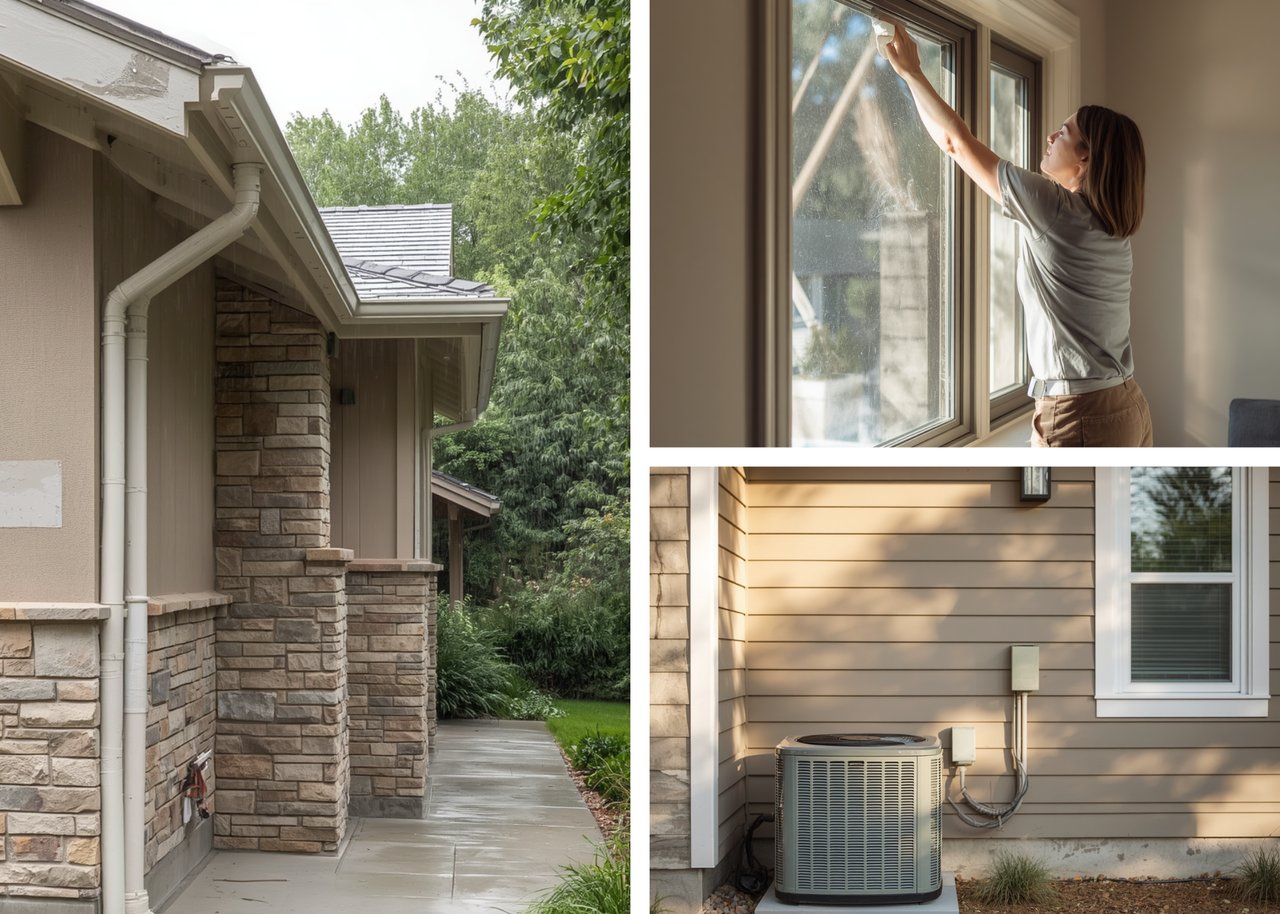
Typical condo pattern: the HOA budgets for the exterior and shared areas. That often includes the roof, exterior envelope, hallways, elevators, garage structure, and amenities. Owners usually cover the interior and personal property. This setup is why many condo owners carry an HO‑6 policy that fits with the building’s master insurance plan, as outlined in consumer insurance guides like this primer.
Typical townhome pattern: you may be responsible for more exterior items, especially if you own the lot or roof in fee simple. Many townhome communities still have an HOA for shared landscaping, snow removal, or limited exterior work, but the split varies. Under CCIOA, associations generally maintain common elements and owners maintain their units unless the declaration says otherwise. Always check the declaration and plats for your community’s exact rules under CCIOA.
Insurance basics for attached homes
Most associations carry a master policy for the building structure and common areas. You then buy an HO‑6 policy to cover your interior finishes, personal property, and liability. Pay close attention to two details:
- Master policy scope. An “all‑in” policy may cover more interior elements. A “bare‑walls” policy pushes more risk to you.
- Loss‑assessment coverage. This HO‑6 rider can help if part of a master policy deductible or a covered assessment is passed to owners. A consumer guide to condo insurance breaks down these items in plain language. Review examples in this HO‑6 vs master policy resource.
Request the association’s master policy declarations and deductible amounts during due diligence. It affects your monthly insurance cost and your exposure in a large claim.
Short‑term rentals in Denver
Denver requires a short‑term rental license and limits STRs to your primary residence. That means you cannot legally run an Airbnb in a non‑owner‑occupied unit under city rules. Your HOA can also restrict or ban short‑term rentals even if the city allows them. If you plan to rent, confirm city requirements and HOA rules through Denver’s official short‑term rental licensing page.
Financing and underwriting differences
Financing a condo often adds a layer called project eligibility. Conventional lenders check a condo building’s status in Fannie Mae’s Condo Project Manager or Freddie Mac’s Condo Project Advisor. A project that meets agency criteria is called warrantable. Projects that do not may require a portfolio loan, a larger down payment, or different terms. Learn how lenders evaluate condo projects through Fannie Mae’s Condo Project Manager and Freddie Mac’s condo mortgage FAQs.
FHA and VA loans for condos depend on project approval or single‑unit spot approvals, so talk to your lender early if you plan to use one of these programs. For townhomes that are legally PUDs, the process often feels more like single‑family underwriting.
Lenders also count HOA dues in your housing payment when calculating your debt‑to‑income ratio. Higher dues or large assessments can reduce how much you qualify to borrow. Use a simple DTI tool to see how dues change your budget, such as the calculator from Money.
Denver market context
REcolorado data shows the Denver area moved toward more balanced conditions in 2024 to 2026, with more inventory and slower year‑over‑year sales in some months. That matters for attached housing because pricing and time on market can vary by building, age, and governance. You can review the latest city‑level snapshots on REcolorado’s Market Trends.
As a general pattern, condos in high‑rise or mixed‑use buildings can be more sensitive to financing rules, association health, and rental policies. Townhomes that are fee simple or PUDs often behave more like single‑family attached homes and may track that appreciation more closely. These are typical tendencies, not guarantees. Building quality, reserves, and location matter more than labels.
For placement, central Denver corridors like Capitol Hill, LoDo, LoHi/Highlands, Baker, Five Points, RiNo, and Uptown offer a larger mix of condos and multi‑unit buildings. Many north Denver neighborhoods, including parts of Highlands/LoHi, Sunnyside, Berkeley, and Sloan’s Lake, feature newer townhome developments and smaller condo projects. Inventory and price bands vary block by block, so pull a fresh MLS snapshot before you compare specific neighborhoods.
Lifestyle tradeoffs
Here is a quick way to think about fit.
- Space and privacy. Townhomes often offer more separation and direct entry. Condos may trade space for elevator access and urban walkability.
- Outdoor living. Townhomes can include small yards, patios, or rooftops. Condos often rely on shared terraces or balconies.
- Amenities and services. Condos may include gyms, lounges, and security features. Townhome communities tend to have fewer building‑level services but more private outdoor space.
- Maintenance. Condos centralize exterior and building maintenance in the HOA. Townhomes can shift more exterior care to you, depending on the legal regime and declaration.
- Monthly costs. Compare HOA dues, special assessment history, reserves, and insurance. Townhomes with more owner responsibility may have lower dues but higher individual maintenance costs.
- Resale timing. Condos can be more sensitive to project eligibility and HOA health. Townhomes may appeal to a broader buyer pool that wants space with lower maintenance. Always treat this as a project‑by‑project call.
Buyer due diligence checklist
Before you write an offer, request the full HOA resale package and review it with your lender and insurance agent. Focus on these items:
- Declaration, CC&Rs, bylaws, and plats. Confirm legal form, parking, storage, pet rules, rental limits, and special assessment powers under CCIOA basics.
- Current budget and recent financials. Look for reserve contributions, operating balance, and trends. Low reserves can lead to special assessments. Freddie Mac highlights why lenders weigh reserves in condo reviews in its condo mortgage FAQs.
- Reserve study and recent meeting minutes. Confirm planned timelines and funding for roof, exterior, paving, elevators, and mechanicals. Repeated deferrals increase risk.
- Master insurance policy. Note the deductible and whether the policy is all‑in or bare‑walls. Price your HO‑6 with loss‑assessment coverage using guidance like this condo insurance primer.
- Litigation and reported issues. Active construction defect cases or hotel‑like operations can impact warrantability. See Fannie Mae’s project review concepts in its Condo Project Manager overview.
- Occupancy, rentals, delinquencies, and assessment history. These numbers affect financing and buyer demand.
Steps to choose your fit
- Set your budget with real dues. Get a preapproval that includes the actual HOA dues and estimated insurance so your numbers are accurate.
- Align your lifestyle. List must‑have features like private entry, outdoor space, elevator access, or on‑site amenities. Rank them.
- Verify the legal regime. Confirm whether the home is a condo or PUD and who maintains the roof, exterior, and grounds.
- Run the project check early. Ask your lender to confirm project eligibility and any FHA or VA approval paths if needed.
- Review the HOA package. Read the declaration, budget, reserves, insurance, and minutes before you finalize terms.
- Inspect smart. Order a unit inspection and, where possible, review any building‑level reports that address envelope, garage slabs, waterproofing, or elevators.
- Confirm rental plans. If you want to rent, verify Denver’s primary‑residence STR rule and the HOA’s rental limits.
Example buyer paths
- First‑time buyer aiming for an urban address. A condo with strong reserves, stable dues, and clear project eligibility can deliver lock‑and‑leave living near transit and restaurants. Your must‑do is lender preapproval that accounts for dues and project status.
- Downsizer prioritizing convenience. A condo with amenities and services can be ideal if the HOA’s financials are healthy and insurance is clear. Review the reserve study and master policy before you commit.
- Townhome seeker wanting outdoor space. A fee simple or PUD townhome can give you a small yard, a garage, and less building complexity. Confirm which exterior items you maintain and price out seasonal care.
Let’s find your fit in Denver
Choosing well comes down to what you own, what you pay each month, and how the building or community is managed. With the right plan, you can match your budget and lifestyle to the best property type and neighborhood. If you want a focused, neighborhood‑first search and a clear read on HOA and financing tradeoffs, reach out to Chelsey Franklin. We will help you compare options, line up the right lender, and move with confidence.
FAQs
What is the main difference between a Denver condo and a townhome?
- A condo usually means you own the unit interior plus a share of common areas, while a townhome often conveys with fee simple ownership of the unit and lot. Always confirm the legal regime and declaration under CCIOA to see who maintains what.
How do HOA dues affect my mortgage preapproval in Denver?
- Lenders count monthly HOA dues in your housing payment when they calculate debt‑to‑income ratios, which can reduce how much you qualify to borrow. Get preapproved with real dues from the HOA package so your numbers are accurate.
What should I check in a building’s reserves and financials?
- Review the current budget, reserve study, and recent financials to see if there is a funded plan for roof, exterior, paving, and elevators. Low reserves or frequent special assessments can raise long‑term costs and affect financing.
Can I run an Airbnb in a Denver condo or townhome?
- Denver only licenses short‑term rentals for a host’s primary residence, and many HOAs restrict or ban STRs. Confirm both city licensing rules and HOA covenants before you buy if renting is part of your plan.
What insurance do I need for a Denver condo?
- Most condo buyers carry an HO‑6 policy for interiors, personal property, liability, and loss‑assessment coverage, paired with the building’s master policy. Ask for the master policy’s scope and deductible before you price your HO‑6.