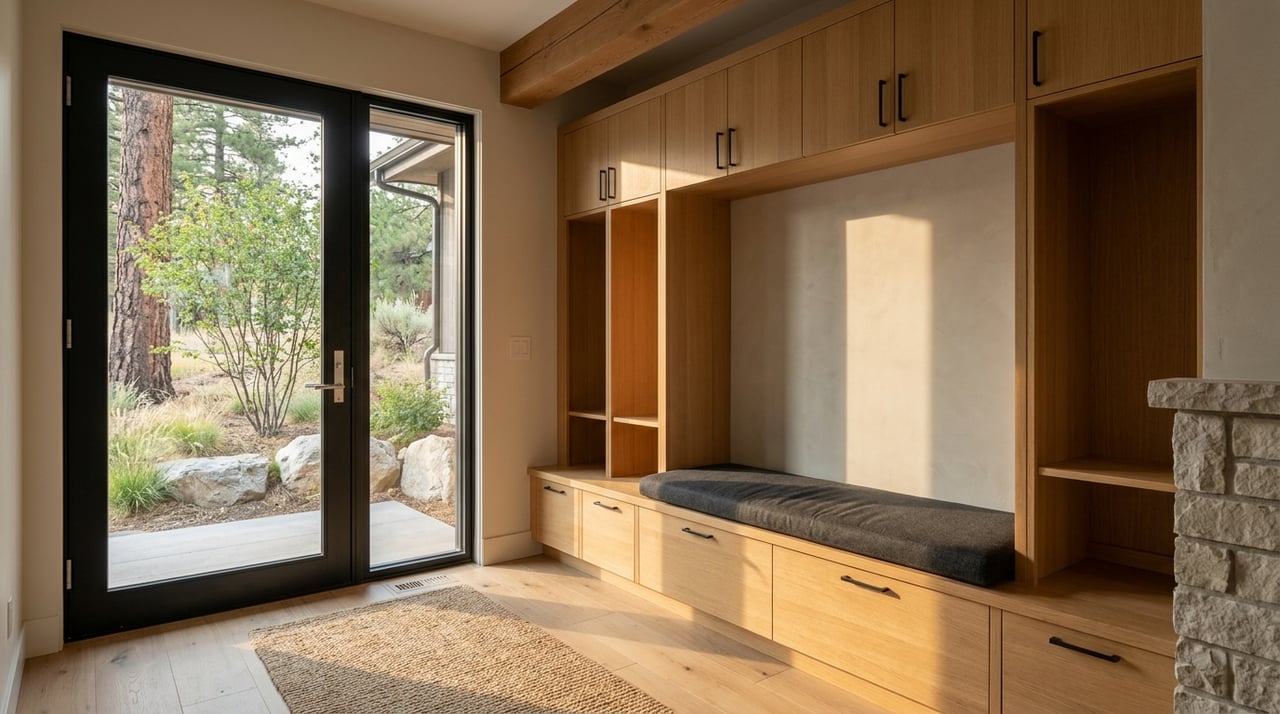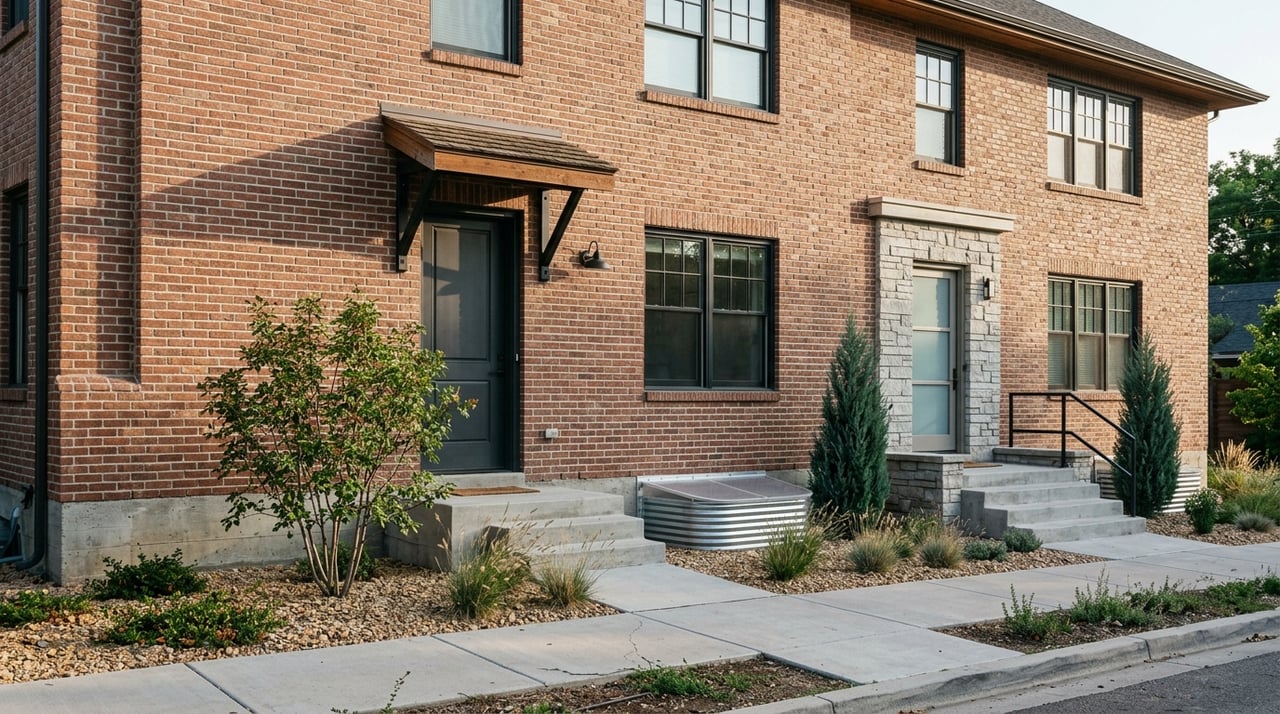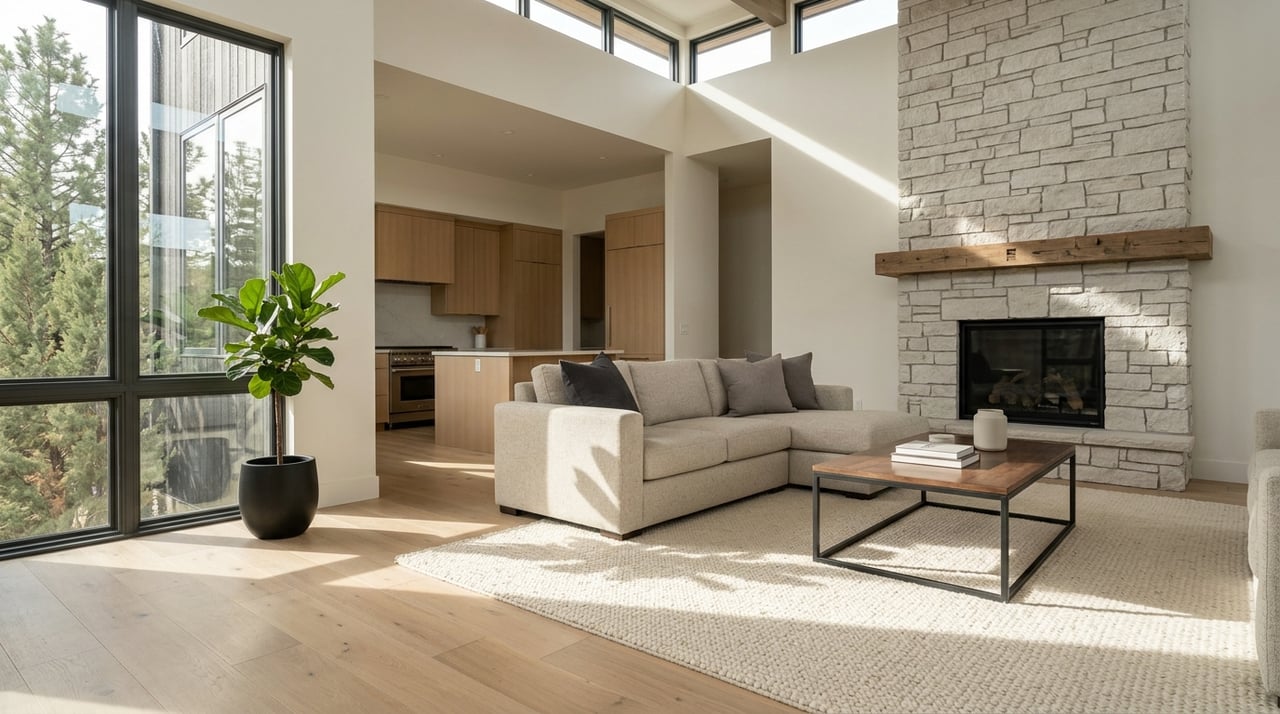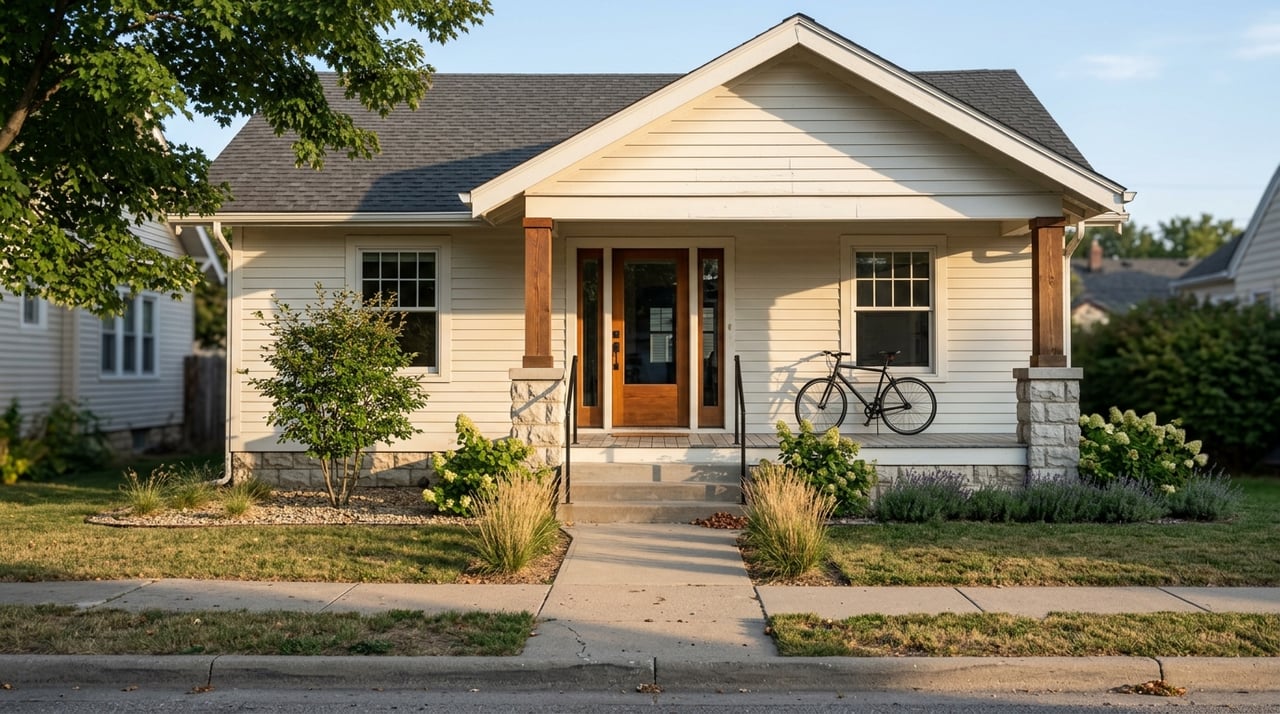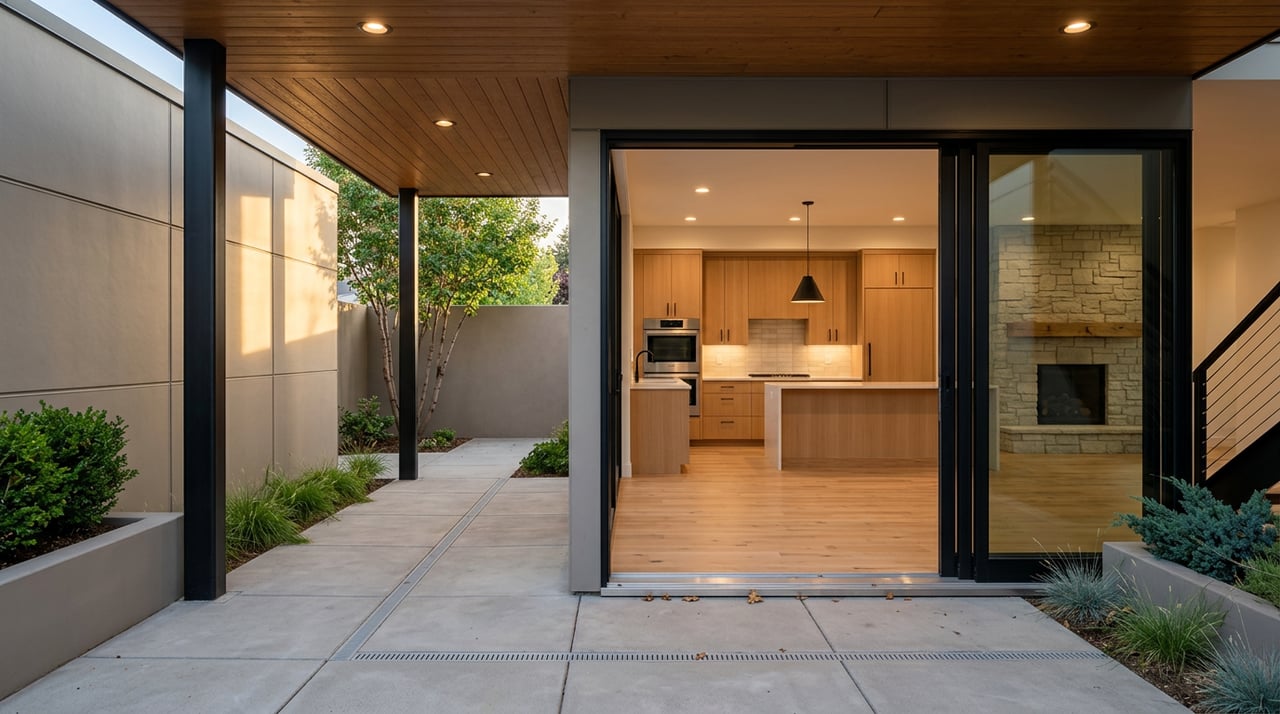
You love the Boulder lifestyle but want the ease of a modern floor plan, efficient systems, and fewer surprise repairs. You are not alone. True new construction inside Boulder is limited, so the best strategy is knowing where new homes actually exist, which tradeoffs matter, and how to protect yourself through inspections, warranties, and smart resale choices. This guide walks you through the options in and around Boulder with practical steps you can use today. Let’s dive in.
Where new homes actually are
North Boulder: infill and small-lot builds
You’ll mostly see single-family scrapes, townhomes, and mixed-use infill where sites allow. The city’s North Boulder Subcommunity Plan guides what gets built and where. Tradeoffs are clear: excellent proximity to trails and downtown, short commutes, smaller lots, and higher price per square foot due to scarce land. Floor plans are often tall and efficient, giving you modern layouts on tighter footprints.
Gunbarrel: suburban-Boulder option
Gunbarrel offers a mix of newer single-family homes, some townhomes, and pockets of custom builds at prices that are often below central Boulder while still substantial. Market snapshots show mid six to low seven figures depending on subarea and timing. For context, see the Gunbarrel market overview. Expect more lot choices than inside city limits and quick access to central Boulder, with parts of the area governed by county rules.
East Boulder: future supply corridors
The East Boulder Subcommunity Plan opens the door for significant mixed-use and housing redevelopment on former industrial and commercial land. For most buyers, this means more townhome and multifamily options over time rather than immediate detached single-family inventory. If you like modern attached living with services nearby, it’s an area to watch over the coming years.
Nearby suburbs: more inventory and larger lots
Louisville, Superior, Lafayette, Longmont, and Erie feature active subdivisions and production builders. Prices tend to be lower per square foot with larger lots than central Boulder. Commutes vary by origin and time of day, but many buyers see about 10 to 20 minutes from closer-in suburbs and about 20 to 35 minutes or more from farther towns. You often gain space and new amenities in exchange for longer drives and more HOA-managed neighborhoods.
Boulder pricing snapshot
Boulder remains a high-cost market. Recent data shows the city’s median sale price near the high six to low seven figures. For a current snapshot, see the Boulder housing market overview. This pricing pattern is a key reason buyers who want newer product often widen their search to Gunbarrel and nearby suburbs.
What product types to expect
Infill single-family scrapes
Inside Boulder, small-lot replacements and custom infill are common. Expect modern, open plans with less yard space and careful attention to energy codes and shading rules. City review processes can add time, which contributes to cost premiums.
Townhomes and stacked flats
Attached product increases unit counts on smaller parcels and is common in village centers and redevelopment sites. You’ll usually have an HOA with shared maintenance, reserves, and builder warranties. Plan time to review HOA documents and financials before you commit.
New single-family outside central Boulder
In Gunbarrel and the suburbs, you’ll find more new detached homes and custom options. Systems tend to be efficient and increasingly electrification-ready. Lot sizes, finishes, and HOA structures vary by community, so compare apples to apples when you review builder packages.
Multifamily and midrise
As redevelopment progresses, most volume is likely to be attached units. Expect more rentals and mixed-income projects in East Boulder and similar corridors, with for-sale options appearing as projects advance.
Costs, commutes, and feature tradeoffs
- Infill inside Boulder: smaller lots, walkable locations, short commutes, higher price per square foot.
- Gunbarrel: suburban feel close to Boulder, more single-family options, county governance in parts, moderate commutes.
- Suburbs like Louisville/Superior: strong new-home choices, community amenities, shorter suburban commutes.
- Lafayette/Longmont/Erie: larger-lot options and builder variety, more driving, frequent HOAs and amenity packages.
Inspections you should schedule
New construction still needs independent inspections. Hiring a credentialed inspector familiar with phase inspections is best practice. Organizations like ASHI outline standards that help you verify quality before walls close and before your warranty expires. Review the ASHI handbook when vetting inspectors.
Key inspection stages
- Pre-pour or foundation (optional): Check footings and drainage details when accessible.
- Pre-drywall framing: The most valuable stage because electrical, plumbing, HVAC, and weatherproofing are visible.
- Final walkthrough: Test systems and finishes, and create a punch list the builder will address.
- 11-month inspection: Schedule about a month before the builder’s one-year workmanship warranty expires to document items for warranty claims. For timing context, see this overview of typical inspection milestones from contract to closing and beyond at Legal Clarity.
How builder warranties work
Many new homes follow a “1–2–10” pattern: one year for workmanship and materials, two years for major systems, and a longer structural warranty often underwritten by a third party. Ask for the warranty booklet early and confirm who administers claims. For an overview, review the StrucSure 1–2–10 warranty explanation.
Practical steps:
- Request the full warranty booklet as a contract exhibit.
- Note exclusions and your maintenance obligations.
- Track discovery dates and report issues in writing right away.
- Keep all service records for future resale support.
Colorado defect timelines in plain English
Colorado law generally sets a two-year statute of limitations from discovery for construction-defect claims and a statute of repose around six years from substantial completion, with limited extensions if issues appear late. Pre-litigation notice and repair rules can affect your options, especially in attached communities. For background, read the Colorado Legislative Council memo on construction defects here. For legal advice on your situation, consult counsel.
Environmental and safety checks
Radon
Boulder County has higher radon potential, and testing is strongly encouraged. New homes can include radon-resistant construction and passive rough-ins. Learn about testing methods and mitigation expectations through Boulder County’s guidance on radon testing.
Water and wells
If you consider properties outside city limits with private wells, baseline water testing is wise. Get clarity on potability, minerals, and any localized contaminants. Boulder County provides homeowner guidance for water testing.
Resale and investment lens
Location drives long-term value more than finishes. In Boulder, proximity to downtown, trails, and views consistently supports demand even when lot sizes are smaller. Market data shows Boulder’s overall pricing staying high compared to many suburbs, as reflected in the current median price snapshot. For investors and owner-occupants alike, infill in central locations can retain strong buyer interest, while larger suburban lots will appeal to those prioritizing space.
Policy and supply matter too. East Boulder’s redevelopment capacity could add attached inventory over time, which influences pricing dynamics in those product types. Meanwhile, land constraints and code requirements continue to limit detached supply, supporting land value in well-located areas.
Energy features increasingly help with resale. Homes that highlight heat pumps, EV-ready wiring, solar readiness or PV, and recognized certifications stand out. If a property used utility or state incentives, document the programs and dates for your future sale. For local context on electrification and partnership programs, see the City of Boulder and Xcel’s collaboration overview in this Energy Partnership summary.
Neighborhood quick-scan
North Boulder
- Commute: Short to downtown and campus.
- Lots/HOA: Smaller infill lots; HOAs common with townhomes.
- Product: Scrapes, townhomes, mixed-use infill.
- Vibe: Near trails and services.
Gunbarrel
- Commute: Shorter than farther suburbs.
- Lots/HOA: More single-family lots; some HOAs.
- Product: Newer SFH, townhomes, custom pockets.
- Note: County governance in parts.
Louisville
- Commute: Often in the 10 to 20 minute range to Boulder.
- Lots/HOA: Mix of subdivisions; HOAs common.
- Product: Newer SFH and townhomes where land remains.
Superior
- Commute: Often in the 10 to 20 minute range.
- Lots/HOA: Master-planned areas with HOAs and amenities.
- Product: Production and semi-custom options.
Lafayette
- Commute: Often about 20 to 35 minutes, depending on route.
- Lots/HOA: Larger selection of new-home sites; HOAs common.
- Product: Production builders and townhomes.
Longmont
- Commute: Often about 20 to 35 minutes or more based on origin.
- Lots/HOA: Wider variety of lots; HOAs vary by subdivision.
- Product: Broad builder mix with value per square foot.
Erie
- Commute: Often about 20 to 35 minutes or more.
- Lots/HOA: Larger-lot neighborhoods; HOAs common with amenities.
- Product: Production and semi-custom homes.
Buyer action checklist
Ask the builder before you sign
- Who is the third-party structural warranty provider? Is it insured and who handles claims? Request the booklet now. Review the 1–2–10 warranty structure.
Schedule independent inspections
- Book pre-drywall, final, and 11-month inspections with a credentialed professional. Use ASHI standards as a quality check and see timing guidance at ASHI and Legal Clarity.
Environmental checks
- Confirm radon testing and whether passive mitigation is roughed-in. See county guidance on radon. If on a well, request water testing.
HOA and CC&R review
- For attached or HOA communities, summarize fees, reserve funding, and rules. In Colorado, review governance basics under the Common Interest Ownership Act. Consider legal review if provisions are unusual.
Energy and EV readiness
- Ask for mechanical schedules, HERS or ENERGY STAR certifications, and EV-ready circuits. Incentives and programs change, so verify current options through utility partnerships like the Boulder–Xcel Energy Partnership.
Financing note
- New construction may involve builder financing or construction-to-permanent loans. A local lender familiar with phase funding can help you compare structures and rate locks.
Your next step
If you want modern design, efficient systems, and the Boulder lifestyle, your best move is to align the product type with your daily routine and long-term plan. Start by shortlisting two or three areas that match your commute and space needs, then compare builder warranties, HOA terms, and energy features side by side. When you are ready, our team can help you evaluate neighborhoods, vet builder contracts, coordinate phased inspections, and set you up for strong resale.
Have questions or want a curated list of newer builds that fit your budget and timeline? Connect with Chelsey Franklin for local guidance backed by development know-how.
FAQs
What counts as “newer construction” around Boulder?
- In Boulder, you’ll mostly see recent infill single-family scrapes and townhomes, while nearby suburbs and Gunbarrel offer newer single-family subdivisions and custom options.
Are Boulder prices higher than nearby suburbs for new homes?
- Yes, Boulder’s overall median price trends higher, which is why many buyers consider Gunbarrel and suburbs for more space or lower price per square foot.
Are HOAs common with new homes near Boulder?
- HOAs are common in townhomes, condos, and many suburban subdivisions, covering shared maintenance, amenities, and community standards.
Which inspections matter most for a new build purchase?
- The pre-drywall inspection is often the most valuable, followed by the final walkthrough and an 11-month inspection before the workmanship warranty expires.
How should I handle radon testing in a new home?
- Plan a radon test in the lowest lived-in level and ask if the builder installed passive mitigation; active systems are usually affordable if levels test high.