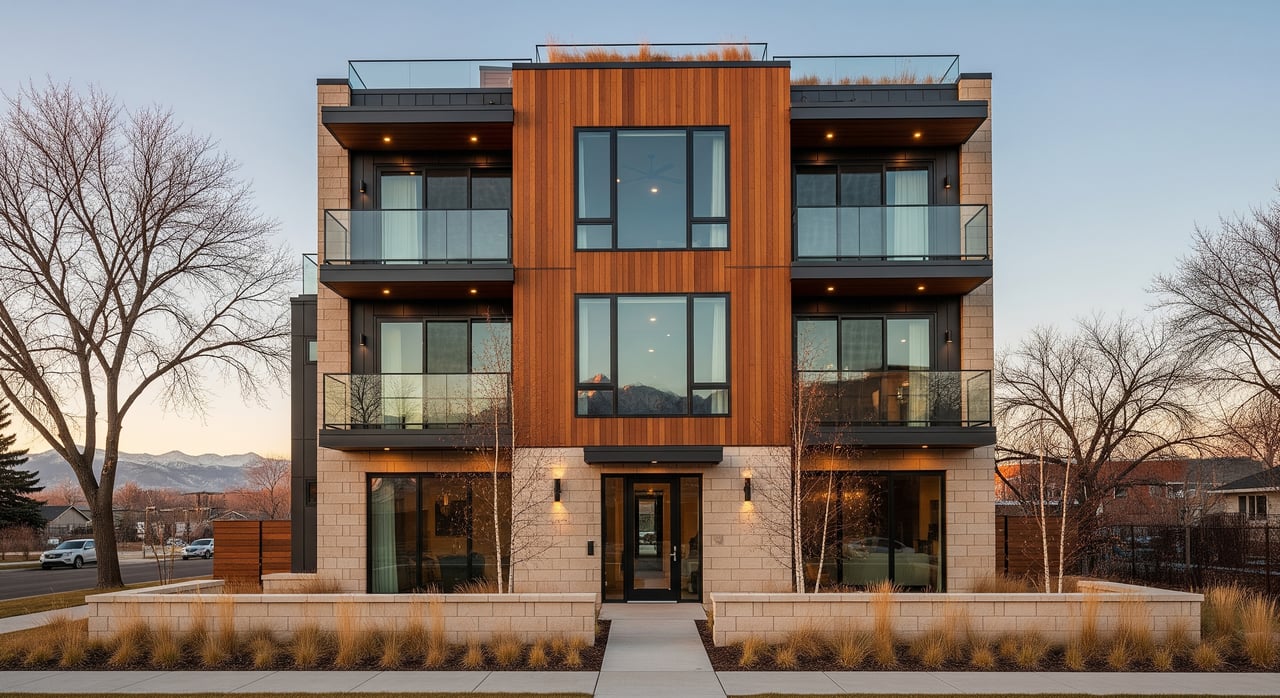
Planning to buy, sell, or renovate a Denver duplex, fourplex, or small apartment? The city’s Expanding Housing Affordability policy is real and it can change your numbers. You want a clear answer on what applies to 1 to 9 unit properties and how to budget for it. This guide breaks down the rules, the 2025 fee rates, simple calculations, and the due diligence steps that protect your deal. Let’s dive in.
What EHA means for you
EHA is Denver’s ordinance that funds or requires affordable housing as development happens. It took effect July 1, 2022 and the grace period for in‑process projects ended April 18, 2025. Projects with 10 or more units must provide on‑site income‑restricted units or pay a large fee in lieu. Projects with 9 or fewer units generally do not have to deed restrict units and are instead subject to a per‑square‑foot linkage fee. You can read the city’s overview and fee details on Denver’s official EHA page for rules and fee schedules and the grace‑period deadlines.
When fees apply
For small multifamily, the city assesses the linkage fee when permitted work creates net new gross floor area. That includes ground‑up projects, unit additions, and many conversions. Fees are calculated and collected alongside permit fees and are due before a building permit is issued. See Denver’s guidance on how fees are assessed and paid.
2025 linkage fee rates
As of July 1, 2025, common rates for 1 to 9 unit residential projects are:
- Units 1,600 square feet per unit or less: $5.00 per square foot
- Units more than 1,600 square feet per unit: $8.00 per square foot
These amounts adjust annually for inflation, so always verify the current schedule on the city’s fee table. Market‑area maps and specific exceptions can also affect outcomes, which the city details on that page.
Quick fee examples
- 4‑plex with each unit at 1,200 square feet: $5.00 x 1,200 = $6,000 per unit, or $24,000 total at permit.
- Triplex with each unit at 1,900 square feet: $8.00 x 1,900 = $15,200 per unit, or $45,600 total at permit.
The city calculates on gross floor area. Mixed‑use rules, exemptions, and how GFA is measured can change the final number, so use the city’s resources and request a project‑specific estimate from CPD.
Due diligence checklist
- Pull the property’s permit and entitlement history in Denver’s CPD system to see past fees, exemptions, or pre‑EHA approvals. Start with the city’s Development Fees hub.
- Order title and search for recorded agreements tied to affordable housing, including HOST covenants and negotiated alternatives. These run with the land.
- If you plan renovations, additions, or new units, request a fee estimate from CPD and include GFA calculations. Use the city’s EHA fee page as your reference.
- Confirm the parcel’s market‑area classification using the city’s map on the same page. It affects certain incentives and fee structures for larger projects.
- If the building is part of a larger phased development, review the development agreement. Prior obligations can bind future owners.
- For any income‑restricted units, review HOST’s published AMI and maximum rent or sale price tables available through city resources like the HOST program guidance.
How EHA affects value
Linkage fees are a real soft cost that hit before your permit is issued. If you are underwriting a conversion, addition, or ground‑up build, include the fee in your cost basis and timeline. For existing small buildings with no new permits planned, you may not trigger a new fee, but plan ahead if you anticipate future work. If prior owners recorded long‑term restrictions or negotiated obligations, those covenants limit future rents or uses and should be factored into valuation.
Financing and timing
Most lenders and appraisers will want to see entitlement status, recorded covenants, and accurate budgets. Because linkage fees are paid at permit issuance, the timing can affect your draw schedule or closing conditions. Align your budget and construction timeline with the city’s process using Denver’s official EHA guidance.
Market conditions to watch
Denver entered 2025 with elevated apartment deliveries and a vacancy rate reported around 7 percent in the first quarter, which put downward pressure on average rents. In a renter‑friendly market, it is harder to pass new development costs through to rents. That makes precise fee estimates and conservative underwriting even more important. See the local snapshot in this recent Denver market report.
Next steps
- Define your scope early and calculate gross floor area per unit.
- Check the latest per‑square‑foot rates and your parcel’s market area.
- Ask CPD for a written fee estimate tied to your permit path.
- Confirm title, covenants, and any prior EHA actions or exemptions.
- Build the fee and timing into your financing plan and schedule.
You do not have to navigate this alone. If you want a second set of eyes on a duplex, triplex, or fourplex strategy in Denver, connect with Chelsey Franklin for investment‑minded guidance and a clear plan from offer to permit.
FAQs
Under Denver EHA, do 1 to 9 unit projects require on‑site affordable units?
- Generally no. Small multifamily projects are typically subject to a linkage fee rather than deed‑restricted units, unless prior recorded agreements apply.
When are linkage fees for small multifamily due in Denver?
- Fees are assessed with permit fees and must be paid before the city issues the building permit, with only narrow exceptions.
What are the 2025 linkage fee rates for small multifamily in Denver?
- As of July 1, 2025 the rates are $5.00 per square foot for units 1,600 square feet or less and $8.00 per square foot for units over 1,600 square feet.
How do I verify whether past owners paid fees or recorded restrictions?
- Check Denver CPD permit records and order a title report for any HOST agreements, deed restrictions, or negotiated alternatives that run with the land.
How might market conditions affect my small multifamily plan in 2025?
- With higher vacancy and softer rents, you have less room to absorb new costs, so accurate fee budgeting and conservative rent assumptions are critical.