Curious what a day in Boulder really feels like beyond the postcard peaks? Maybe you picture bike commuters, trailheads at dawn, and evenings on a lively pedestrian mall. You also want straight talk about costs, commute times, schools, and how the market actually works. This guide gives you a clear, everyday view so you can judge fit, plan next steps, and move with confidence. Let’s dive in.
Boulder at a glance
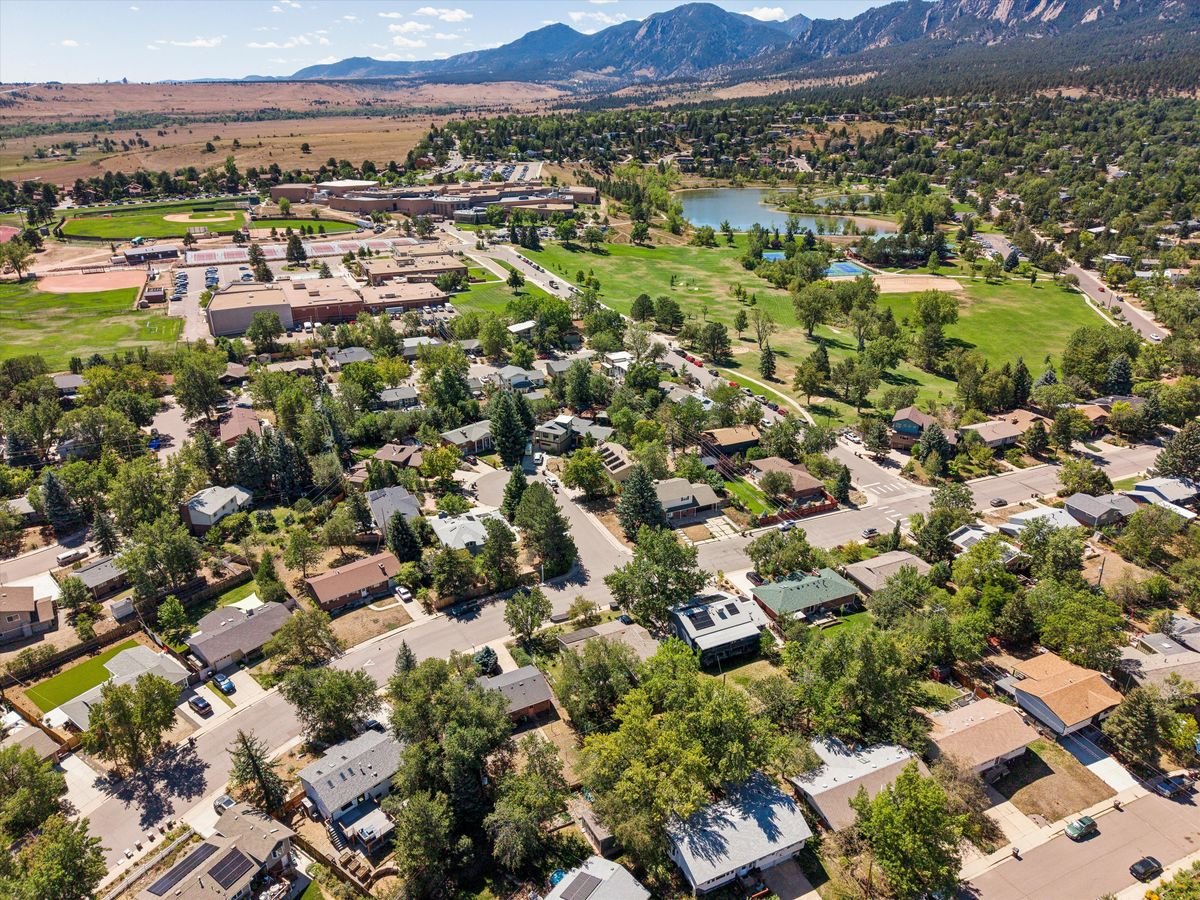
Boulder is a midsize city of about 108,000 residents, set against the foothills of the northern Front Range. It anchors Boulder County and serves as a cultural and economic hub for the area. The University of Colorado Boulder shapes the city’s energy, housing demand, and calendar of events.
The local economy leans knowledge-based. You see higher education and research, technology and startups, aerospace and federal labs, outdoor-industry brands, healthcare, and professional services. Incomes tend to run higher than state and national averages, which supports steady housing demand.
City planning prioritizes open space and environmental stewardship. Decades of open-space protection and thoughtful land-use rules have limited sprawl and preserved trail access. Those policies also constrain new housing supply, which influences pricing and inventory.
Outdoor lifestyle
Outdoor access is part of daily life. The city’s Open Space and Mountain Parks network puts foothill trails minutes from many doorsteps. It’s normal to see lunch-hour trail runs, after-work hikes, and weekend rides. In winter, you can reach Front Range and mountain recreation in under an hour depending on conditions.
Biking is a practical way to get around in central areas. Many residents rely on the extensive bike network for errands and commuting. On sunny days, patios fill up and parks are busy. When weather shifts roll in, locals pivot to gyms, cafes, and community events.
Food and culture
Pearl Street Mall is the pedestrian heart of downtown. You’ll find independent restaurants, street performers, and frequent community happenings. The city’s dining scene includes a range of local spots and breweries, plus seasonal farmers’ markets.
CU Boulder adds arts, lectures, and sports to the calendar. You can catch performances, gallery shows, and festivals throughout the year. It’s an active, engaged community that shows up for both outdoor fun and civic conversations.
Healthcare is close by. Local hospital systems and clinics cover primary and many specialty needs. For certain specialties, residents may visit Denver metro hospitals.
Neighborhood snapshots
Boulder’s neighborhoods vary by vibe, housing stock, and access. Here’s a quick orientation to help you narrow your search.
Downtown and Central Boulder
Close to Pearl Street, Mapleton Hill, and Old North Boulder, this area is walkable with historic homes and classic tree-lined blocks. You get easy access to shops, restaurants, and events. Older housing stock and managed parking are common considerations.
South Boulder
Often grouped around Table Mesa, South Boulder offers a more suburban feel with convenient shopping centers and quick trail access to the foothills. Many blocks are quiet, with parks and paths woven into daily routines. It’s also well positioned for commuting south.
North Boulder and Gunbarrel
North Boulder and the Gunbarrel corridor mix single-family homes, townhomes, and newer developments. Some pockets have a semi-rural feel. You’ll find a range of property types and good connections to regional job centers.
Foothills and canyons
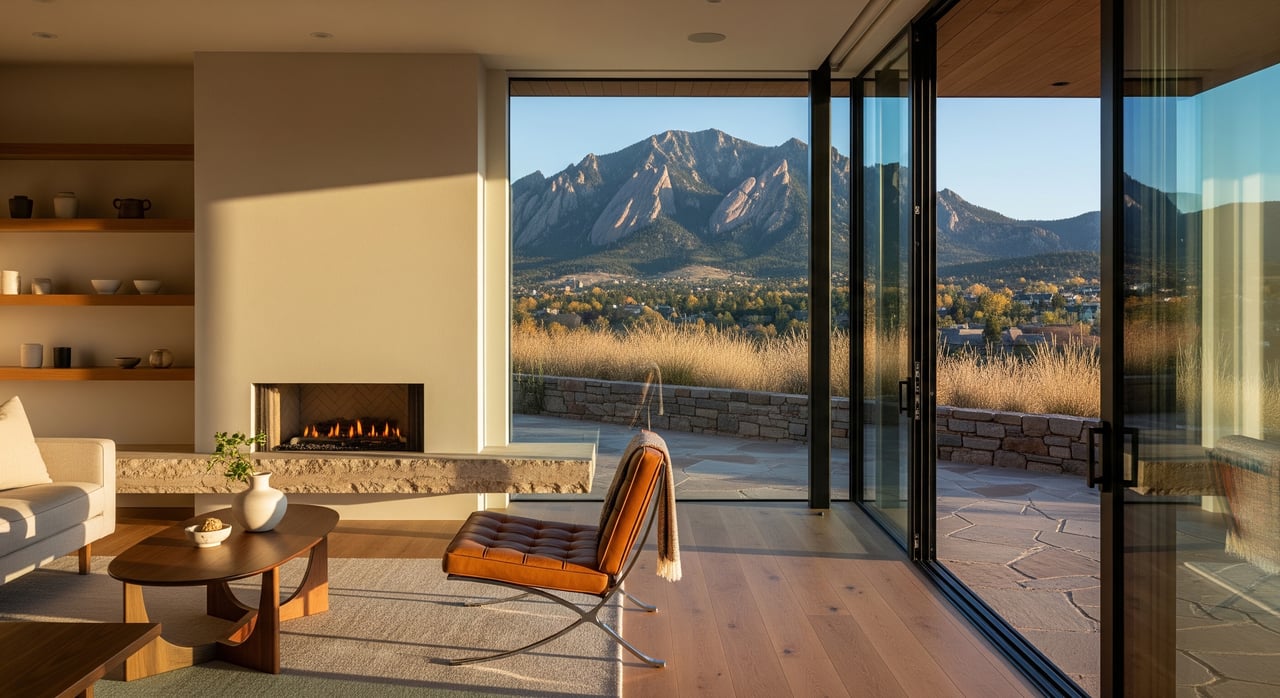
Homes closer to the wildland-urban interface put you near trailheads and views. Lots can be larger in certain areas. You’ll want to plan for wildfire awareness, insurance considerations, and access during storms.
Newer and infill options
Because of land-use constraints, many new homes appear as smaller infill, townhomes, condos, or accessory dwelling units. These projects can command premium pricing due to limited supply and central locations.
Housing and costs
Boulder’s housing market is tight, with demand outpacing supply in many segments. You’ll see historic homes, midcentury properties, renovated houses, townhomes, condos, and smaller new-build infill. Larger lots are more common in foothill areas.
Rentals are competitive and can be influenced by the academic calendar near the university. Availability, unit types, and seasonality vary by neighborhood. Short-term rentals are regulated, so check local rules before planning any hosting strategy.
Property taxes in Colorado often have lower rates than many states, but Boulder’s high valuations can still result in meaningful tax bills. The city also maintains affordability and inclusionary housing programs, along with workforce housing initiatives.
Here’s a quick cost checklist to shape your budget:
- Down payment and cash-to-close for your price point.
- Monthly carrying costs: principal, interest, taxes, insurance, HOA if applicable.
- Insurance underwriting for foothill properties and wildfire risk.
- Renovation and energy-efficiency upgrades for older homes.
- Parking permits or fees in managed zones, if relevant.
- Potential ADU feasibility and permitting if you want flexibility.
If you want current median sale prices or rent averages, request up-to-date figures before you set search parameters. Boulder’s market shifts with seasonality and inventory.
Schools and education
Most of the city is served by the Boulder Valley School District (BVSD), which includes many high-performing elementary, middle, and high schools. Families often review school boundaries and program offerings while they evaluate neighborhoods. Pre-K and some programs can have waitlists.
Private and charter options also exist across the area. CU Boulder supports education resources and campus-connected learning opportunities. For any address, verify boundaries and enrollment details directly with the district or school.
Getting around
Driving to Denver typically follows US 36. Commute times often range from 30 to 60 minutes or more at peak, depending on traffic and your destination. Many residents commute to jobs in the Denver–Broomfield–Flatirons corridor.
Bus service through RTD connects Boulder to Denver, including express and bus rapid transit along US 36. Park-and-ride lots and carpooling are common strategies. If you plan to use transit, check schedules against your work hours.
Central neighborhoods are walkable and very bike-friendly. The city maintains extensive bike lanes and paths, and active commuting is a real option. Downtown and some neighborhoods use managed parking and residential permits.
Climate and environment
Boulder’s semi-arid climate delivers four seasons and abundant sunshine. Summers are warm and generally dry, with occasional afternoon thunderstorms. Winters bring cold snaps and periodic snow. Rapid temperature swings are normal.
The city sits at about 5,300 feet of elevation. Newcomers often notice the altitude’s effects, from dryness to increased sun exposure. Hydration and sun protection make a difference.
Seasonal wildfire smoke can affect air quality, especially late summer and fall. Homes in foothill and canyon areas have higher wildfire exposure, so insurance, defensible space, and community mitigation programs are important. Winter storms can also affect roads and trail conditions.
Everyday services
You’ll find mature utilities and broadband coverage in most neighborhoods. If remote work is essential, verify providers and speeds for specific addresses. Grocery options, parks, and routine services are widespread.
Childcare and some specialty services can be competitive in high-demand neighborhoods. Plan ahead for waitlists and confirm hours and availability.
Is Boulder right for you?
Every move is a trade-off. In Boulder, the benefits and the costs are both clear. Here’s how to think it through.
What you’ll likely love:
- Immediate trail and open-space access for everyday outdoor time.
- A vibrant, engaged community with steady cultural programming.
- A strong job base in research, tech, healthcare, and professional services.
What to weigh carefully:
- Premium housing costs and limited inventory across many segments.
- Peak-hour traffic on US 36 for Denver commutes.
- Seasonal environmental factors, including wildfire smoke and winter storms.
- Competition for rentals and certain services like childcare.
Practical next steps:
- Visit on a weekday to test your commute and parking.
- Walk neighborhoods at different times of day.
- Map school boundaries and verify program availability.
- Assess wildfire and insurance considerations if you’re near the foothills.
- Request current price and rent data before locking your budget.
Ready to explore options in Boulder and nearby communities like Louisville, Erie, or Longmont? You get better outcomes with a coachlike advisor who pairs neighborhood insight with investment-minded strategy. Connect with Chelsey Franklin for relocation guidance, purchase and sale representation, or investor-friendly analysis. Get your instant home valuation and a clear plan for your next move.
FAQs
How expensive is Boulder compared with Denver?
- Boulder is generally more expensive, largely due to housing costs. Get current median sale and rent figures before setting your budget.
What are typical commute options from Boulder to Denver?
- Most commuters use US 36 by car, often 30 to 60+ minutes at peak, or take RTD express and bus rapid transit with park-and-ride options.
How walkable and bikeable is Boulder day to day?
- Central neighborhoods are very walkable and bike-friendly, with extensive paths and lanes that make active commuting realistic.
What should I know about Boulder schools before choosing a neighborhood?
- Boulder Valley School District serves most of the city, with private and charter options also available. Confirm boundaries and enrollment specifics for any address.
Are wildfires or air quality a concern for Boulder homeowners?
- Seasonal smoke can impact air quality, and foothill and canyon homes have greater wildfire exposure. Plan for insurance, defensible space, and mitigation.
Are short-term rentals allowed in Boulder?
- Short-term rentals exist but are regulated. Review city rules and licensing requirements before planning any rental strategy.