Thinking about buying in Boulder and counting on an accessory dwelling unit for income, flexibility, or multigenerational living? You’re not alone. In a high-cost market like Boulder, ADUs can add real value, but only if you understand the rules and risks before you buy. In this guide, you’ll learn how ADUs work here, what to verify with the city, common pitfalls, and a clear due diligence checklist to protect your purchase. Let’s dive in.
Boulder ADU basics
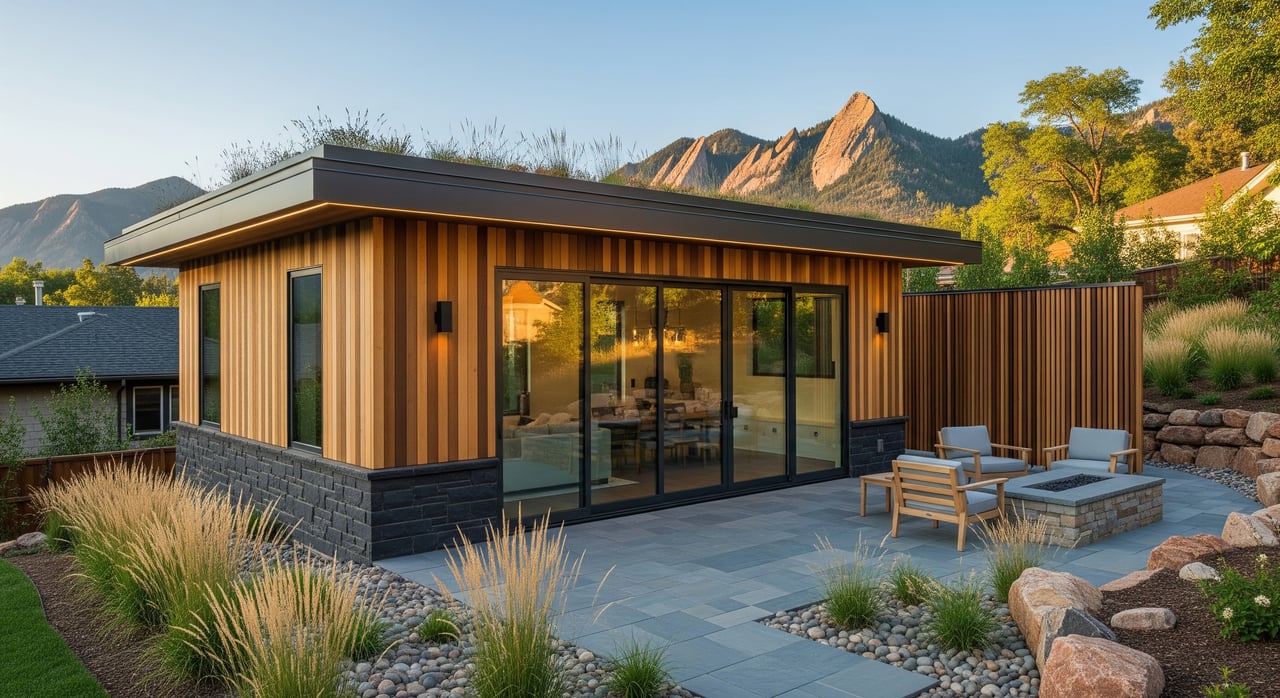
An accessory dwelling unit is a secondary home on the same lot as a primary residence. Common types include internal units like a basement suite, attached additions, detached cottages in a backyard, and garage conversions or apartments above a garage.
In Boulder, ADUs are popular because they can provide long-term rental income, space for family, or room for a home office or caregiver. For buyers, an existing permitted ADU can support affordability and flexibility. If you plan to add one later, zoning and site constraints can make or break the feasibility.
Boulder ADU rules: what to verify first
Boulder’s rules can change, so always confirm the latest requirements with City of Boulder Planning & Development Services and the Boulder Municipal Code before you buy.
- Zoning district. Your zoning determines whether ADUs are allowed and which types are permitted. Ask for the property’s zoning designation and verify ADU allowances and limits.
- Lot and site constraints. Setbacks, lot coverage or floor-area caps, height limits, and the number of accessory structures affect where and how you can build. Some neighborhoods also have overlays that add design or size limits.
- Overlays and special districts. Historic districts, hillsides, floodplain areas, and wildfire-hazard overlays can require design review or impose added restrictions.
- Parking. Many cities require on-site parking for ADUs or allow reductions near transit. Confirm Boulder’s current parking policy for ADUs on your specific lot.
- Utilities and connections. If you are on city water and sewer, check hookup rules, capacity, and whether separate meters are required. If the property is on septic, you may need health-department approval and system upgrades.
- Owner-occupancy and rentals. Some communities require an owner to live on-site for an ADU to be allowed. Also review Boulder’s short-term rental rules, licensing, and any owner-occupancy requirements.
- Permits and building code. ADUs must be permitted and meet building, energy, and life-safety codes, including egress, fire separation, ventilation, plumbing, and mechanical standards.
Pro move: Request a zoning verification or pre-application review from the city and ask the seller for any recorded easements, HOA rules, and building-permit history tied to the ADU.
If the home already has an ADU
Before you rely on rental income or extra space, confirm the unit’s legal status and safety.
- Permitted or unpermitted. Verify the ADU was permitted and has a valid certificate of occupancy. Unpermitted units can be expensive to legalize or may require removal.
- Life-safety and code items. Check egress windows or doors, smoke and carbon monoxide alarms, and required fire separation between units. Review insulation, ventilation, and energy-code compliance.
- Utilities and meters. Confirm water and sewer capacity and whether the ADU shares meters or needs separate service. Older electrical or gas services may require upgrades to support an additional unit.
- Parking and access. Ensure legal access via driveway or alley and that any required parking fits within setbacks and coverage rules.
- Addressing and services. Clarify how trash, recycling, mail, and emergency response address designations are handled for the ADU.
Planning to add an ADU after closing
If you plan to create an ADU, build your plan around design, permits, and realistic timelines.
- Start with the city. Schedule a pre-application meeting with Planning & Development Services to confirm zoning allowances, site constraints, utilities, and any design review.
- Your team. Hire local ADU-experienced architects and contractors who know Boulder’s codes and processes. Get multiple bids that include permitting and utility work.
- Budget categories. Plan for design and permit fees, site work and utility hookups, construction, possible electrical or septic upgrades, required inspections, energy compliance, and landscaping.
- Timelines. Conversions like basements or garages can be faster if straightforward. Detached ADUs typically take longer due to design, utility work, permit reviews, and construction. Expect several months or more depending on complexity and contractor availability.
- Sustainability and energy. Boulder and Colorado codes emphasize energy efficiency. Ask about available incentives or technical assistance.
Money, taxes, insurance, and rentals
ADUs touch many parts of your financial plan. Cover each item early to avoid surprises.
- Financing and appraisal. Some lenders consider rental income from a permitted ADU for qualification, and appraisal treatment varies. Confirm your lender’s policy before making offers.
- Property taxes. Adding or legalizing an ADU can increase assessed value and taxes. Check with the Boulder County Assessor on how ADUs are treated.
- Insurance. Update your policy to reflect an ADU and any rental exposure. Short-term rentals may require different or additional liability coverage.
- Rentals and tenant rights. If the ADU is already rented, review the lease and local rental licensing and inspection requirements. Ensure the unit meets habitability standards.
- Short-term rentals. Boulder has specific STR rules and licensing. Policies can change, so verify current requirements before assuming STR income.
- HOA and covenants. HOAs or deed restrictions can limit ADUs or rentals even if the city allows them. Always review CC&Rs.
Buyer due diligence checklist for Boulder ADUs
Use this list during your inspection period to confirm facts and protect your investment.
- Zoning and uses
- Get the zoning designation and confirm which ADU types are permitted on the lot.
- Permit history
- Request building-permit records and any certificates of occupancy for ADU work.
- Unpermitted work
- If anything looks unpermitted, consult an architect or contractor and the city to estimate steps and costs to legalize or correct.
- HOA and covenants
- Review CC&Rs for ADU and rental restrictions.
- Utilities and capacity
- Confirm water, sewer, and electrical capacity and whether separate meters are required.
- Short-term rental rules
- Verify current STR policy and licensing and whether the ADU qualifies.
- Insurance and lending
- Speak with your insurer and lender about coverage, rental exposure, and how the ADU may factor into qualification and appraisal.
- Inspections
- Order a standard home inspection plus an ADU-focused review of life-safety, egress, mechanicals, and independent utilities.
- Site constraints
- Check setbacks, easements, floodplain or wildfire overlays, and tree protections.
- Scope, cost, and timing
- Get preliminary bids and realistic timelines for any ADU work you plan to do after closing.
Example timelines to expect
Every property and scope is different, but here is a high-level flow you can expect.
- Buying a home with an existing ADU. Verification of permits and certificates, rental license checks, lender and insurer approvals, and targeted inspections happen during your contract period. Plan for follow-up with city reviewers if records are incomplete.
- Converting space to an ADU after closing. You will complete design, pre-application review, permit submission, and construction. Review cycles and scheduling with contractors can extend the timeline.
- Building a detached ADU. Expect added steps for site planning, utilities, and possible design review, plus longer construction duration.
Local contacts you will rely on
- City of Boulder Planning & Development Services for ADU zoning, permitting, and building requirements.
- Boulder Municipal Code for current zoning and accessory use regulations.
- City of Boulder Short-Term Rental licensing for STR rules and licenses.
- Boulder County Assessor and Recorder for property records, assessments, and recorded easements.
- Boulder County Public Health for septic capacity and on-site wastewater rules.
- Local ADU-experienced architects, contractors, and energy consultants for design, costs, and code navigation.
Work with a Boulder advisor who understands ADUs
A permitted ADU can improve your monthly cash flow and long-term flexibility, but only if the details line up. You deserve a partner who can pressure-test feasibility, coordinate due diligence, and connect you with the right local pros. If you are comparing homes with existing ADUs or hunting for properties with ADU potential, we can help you move with confidence.
To map your options and build a clear plan, connect with Chelsey Franklin.
FAQs
Can a Boulder ADU be rented long term?
- Long-term rentals are often allowed for permitted units, but you must follow Boulder’s rental licensing and local landlord-tenant requirements. Confirm current rules before you rely on income.
Can I use a Boulder ADU for short-term rentals like nightly stays?
- Boulder has specific short-term rental rules and licensing that may include eligibility limits. Policies change, so verify current STR requirements for your exact property and ADU type.
Will adding an ADU in Boulder increase my property taxes?
- Likely yes. Adding permitted living area or a new unit generally increases assessed value. Check with the Boulder County Assessor for how ADUs are treated.
Do Boulder ADUs need separate water or electrical meters?
- It depends on city utility rules and capacity. Some situations allow shared meters while others require separate service. Confirm requirements with the city and utility providers.
How can HOA rules affect an ADU in Boulder?
- HOAs and recorded covenants can restrict or prohibit ADUs or rentals even when the city allows them. Always review CC&Rs and bylaws during due diligence.