Thinking about selling your Longmont home and want it to move quickly without leaving money on the table? You’re not alone. In a market that has shifted from the frenzy of 2020–2022 to a more balanced pace, a smart plan matters more than ever. In this guide, you’ll see exactly how we price and market Longmont homes to drive strong traffic in the first two weeks, gather quality offers, and move confidently to closing. Let’s dive in.
What drives speed in Longmont
Longmont’s appeal spans lifestyle and access. Proximity to Boulder’s tech corridor and Denver via US‑287 and CO‑119 shapes buyer demand, and remote or hybrid work patterns add flexibility. Within the city, neighborhoods vary by age of homes, lot sizes, and features, which affects price points and time-to-sale.
Local conditions change by season and by micro-area, so we calibrate to what is happening now. School zones within St. Vrain Valley School District are a consideration for many buyers, and commute preferences differ by neighborhood. To advise you with confidence, we gather current data before we talk price.
The data we pull before pricing
- Median sold price over the last 30, 90, and 365 days in your micro-neighborhood.
- Active inventory trends, months of inventory, and new pendings per week.
- Days on market and list-to-sale price ratios for comparable homes.
- Price-per-square-foot ranges by home type and area.
- Recent comparable sales from the last 30–90 days and your current competition.
- Typical contingencies and concessions we’re seeing in recent contracts.
This MLS-driven picture clarifies where your home should sit to attract the right buyer pool quickly.
Our pricing playbook
Price sets your exposure. Buyers search in price bands and often set alerts at common thresholds. The right list price places your home in the broadest qualified pool without signaling distress or leaving money behind.
How we set the number
- Build a focused CMA with 3–6 primary comps from your immediate area that match property type, lot size, and bed/bath count. We favor sales in the last 30–90 days.
- Adjust for condition, updates, views, garages, basements, and functional differences. We calculate price per finished square foot as a reference, then weigh layout and livability.
- Review micro-neighborhood medians and list-to-sale ratios to anticipate buyer behavior.
- Layer in a “subjectivity overlay” for staging readiness, curb appeal, outdoor spaces, and unique features that can command a premium.
From there, we recommend one of three strategies based on current inventory and buyer velocity:
- Market-competitive price: List at or just below estimated market value to maximize showings and encourage early offers.
- Strategic underpricing: Considered only when inventory is very low and demand is high. We prepare for appraisal conversations with solid comps.
- Probe high-end buyers: Used for rare or exceptional properties. Higher risk of longer days on market if competing inventory exists.
We also use “just under” pricing when appropriate. For example, pricing at 399,900 instead of 400,000 can capture additional search filters and trigger more alerts.
When we adjust price
The first 7–14 days are your proving ground. We set clear expectations and decision triggers before launch so you never wonder what’s next.
- If showings and saves lag behind similar listings by day 10–14, we discuss a price shift or a marketing tweak like photo updates or staging adjustments.
- We monitor online impressions, saves, showing volume, and feedback daily in week one and several times per week thereafter.
- If activity tracks ahead of targets, we maintain course and center negotiations on terms beyond price.
Our goal is to move quickly and confidently based on real-time indicators, not guesswork.
A marketing engine built for speed
Presentation and reach are your accelerators. We combine best-in-class listing assets with targeted distribution so serious buyers can see the home and act.
Listing fundamentals that always matter
- Professional photography, including interiors, exteriors, and optional twilight sets.
- Clear, accurate copy that highlights your top three buyer benefits: location, condition, and value.
- Floor plans and room dimensions so buyers can visualize flow and furniture.
- Feature callouts for major systems, roof age, energy or smart home updates, and outdoor living.
Virtual tools that convert
- 3D tours to pre-qualify interest and reduce wasted showings.
- Video walkthroughs and drone footage to showcase lot, views, and neighborhood context.
- Virtual staging when appropriate and clearly disclosed. Physical staging remains the strongest visual driver when the budget allows.
Digital reach and local activation
- MLS launch with broad syndication, paired with targeted social advertising to reach likely buyers by radius and price band.
- Email campaigns to our agent network and buyer database for your price range and area.
- Broker previews within 48–72 hours and well-timed open houses on peak weekends.
- Yard signage and QR codes that link to the 3D tour or property page for instant mobile access.
- Community posts in permitted neighborhood channels to create local buzz.
Staging, curb appeal, and pre-list prep
- Curb appeal refresh: mulch, pruning, pressure wash, and an inviting front door.
- Interior prep: declutter, neutralize bold colors, depersonalize, and arrange furniture to show flow.
- Optional pre-listing inspection and radon test, common in the Boulder County area, to reduce surprises and speed negotiations.
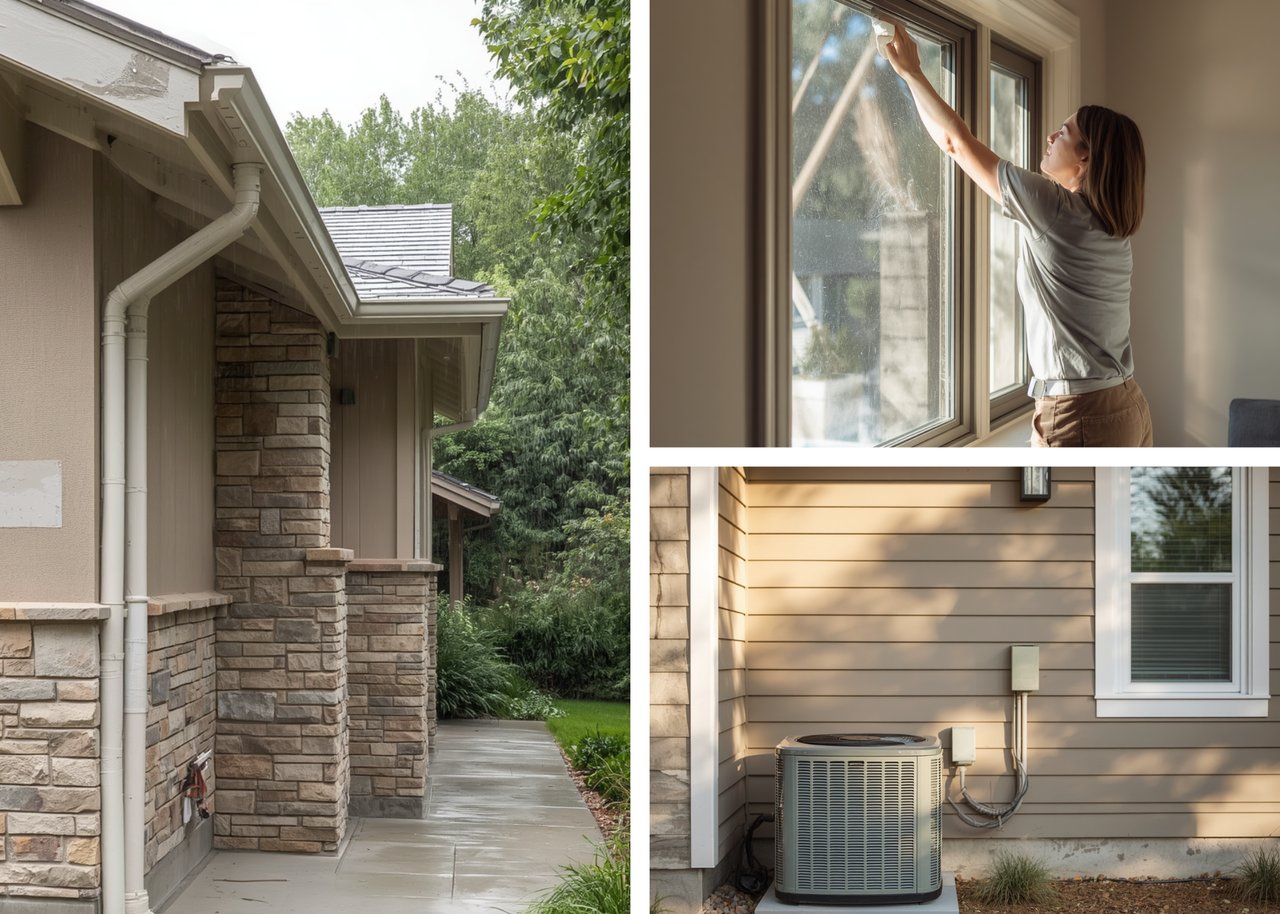
- Cost-effective fixes: HVAC servicing, small roof repairs, touch-up paint, caulking, and trim.
Typical budgets vary by scope. Photography and 3D tours often run a few hundred dollars. Partial staging can start in the low hundreds and scale into the thousands as needed. Minor cosmetic improvements may range from a few hundred to several thousand. We tailor spend to expected buyer impact and your net proceeds.
Operational details that keep you on track
Colorado has clear forms and norms that help protect both parties. We get ahead of paperwork so your transaction moves without delay.
- Colorado Seller Property Disclosure: You disclose known material facts using the state form.
- Lead-based paint disclosure for homes built before 1978.
- Radon testing is common locally. Sharing results or offering a credit can streamline inspection.
- HOA documents: Gather CC&Rs, bylaws, rules, budgets, and reserve studies early to keep due diligence moving.
- Permits: Verify permits for additions, basement finishes, and similar work with Boulder County and the City of Longmont.
- Signage: Confirm local sign rules for open houses and directional signs.
- Title and taxes: Start title work early. Property tax prorations and utilities are handled at closing per Colorado norms.
- MLS compliance: We follow “Coming Soon” and marketing rules to protect your exposure and avoid fines.
Most financed transactions close in about 30–45 days once under contract, though timelines are negotiable.
Your timeline, checklist, and KPIs
Here is the step-by-step plan we use to move fast while protecting your net.
Pre-listing prep: 7–21 days
- Gather documents: title info, HOA packets, warranties, utility averages, tax info, and any past inspection reports.
- Complete declutter, deep clean, staging, and targeted repairs.
- Order professional photos, 3D tour, and draft listing copy.
- Decide on pricing strategy and offer review timing.
- Optional: pre-listing inspection and radon test.
Launch week: days 0–7
- Go live on MLS with full media package and syndication.
- Activate social ads and send email alerts to buyers and agents.
- Host broker preview within the first 48–72 hours.
- Hold open houses as planned and respond quickly to inquiries.
Review window: days 7–14
- Monitor impressions, saves, showing counts, and feedback.
- If activity is on target, hold course. If not, adjust price or presentation.
- If multiple offers arrive, weigh terms beyond price, including financing strength, inspection timelines, and occupancy needs.
Ongoing after day 14
- Provide weekly updates and respond to market shifts.
- If interest slows and no offer is received by day 14–21, implement a price adjustment or marketing change.
KPIs and decision triggers
- Online engagement: Impressions and saves should trend in line with similar listings.
- Showings per week: Aim for roughly 2–4 or more for a typical single-family listing, adjusting for price band.
- Offers: If none by day 14, re-evaluate price and marketing mix.
- Days on market: If you exceed your neighborhood’s median by 50 percent or more, make a change.
- Projected list-to-sale ratio: If the market suggests less than roughly 95 percent of list, reassess pricing and terms.
What you can expect working with us
You get a team that blends data, presentation, and negotiation into a clear plan. Our developer and investor experience helps you prioritize improvements that move the needle, not just look nice. Our brokerage affiliation supports premium marketing and broad syndication so the right buyers see your home fast. You’ll receive a transparent CMA, an options-driven pricing recommendation, and a projected net proceeds worksheet so you can make an informed decision.
When you are ready, we will map a customized two-week launch plan, set KPIs, and keep you updated with clear, weekly reporting. If the market signals a change, we will act quickly and explain the tradeoffs so you stay in control.
Ready to talk strategy for your Longmont home? Connect with Chelsey Franklin to get your instant home valuation and a clear, data-backed plan to sell with confidence.
FAQs
How do you price a Longmont home to sell fast?
- We build a focused CMA using recent neighborhood sales, adjust for condition and features, then recommend a market-competitive price designed to maximize early showings.
What marketing do you use beyond the MLS?
- We pair professional media with targeted social ads, email campaigns to buyers and agents, broker previews, open houses, yard signage with QR codes, and 3D tours.
How quickly should I expect showings and offers?
- Activity varies by price band and season, but we aim for steady showings in week one and clear signals by days 7–14 to either negotiate or adjust the plan.
Do I need a pre-listing inspection or radon test in Boulder County?
- They are optional but common; sharing results can build buyer confidence and reduce renegotiation time during inspection.
What if the home has unpermitted work?
- We verify permits with the City of Longmont or Boulder County early so you can decide whether to remedy, disclose, or price accordingly.
How much should I budget for prep and staging?
- Many sellers allocate a few hundred to a few thousand dollars for cleaning, staging, and minor fixes, with larger projects scaled to expected return.